
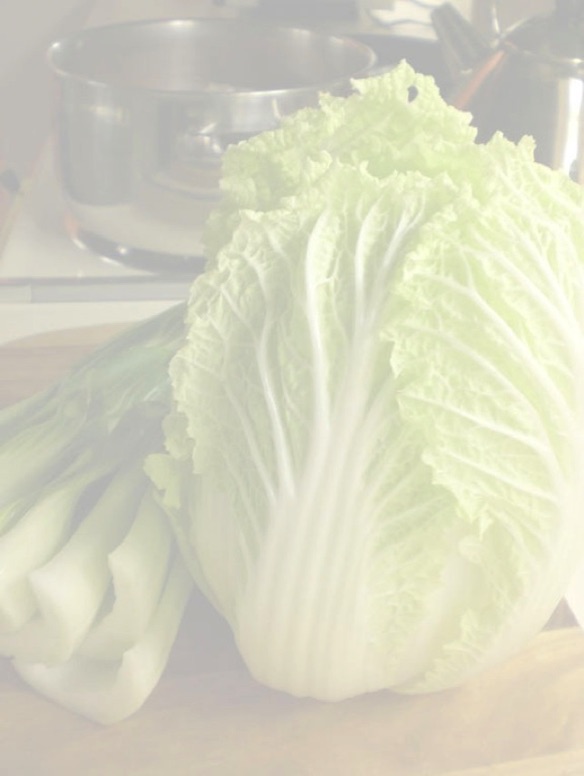
cooking healthy vegetable dishes
leek and lettuce on a chopping board


Algunas visitas al médico son para enfermedades, pero muchas más son para síntomas comunes.  Los dueños de esos síntomas buscan un remedio rápido. Una pastilla para la acidez estomacal, otra para el estreñimiento, una para quitar el apetito, otra para la depresión, una para aumentar la potencia sexual, otra para el dolor de menstruación, una para el dolor de cabeza, otra para poder dormir. Vale preguntarnos, ¿por qué preferimos tomar un arsenal de pastillas en lugar de investigar lo que nos está afectando?


Mucha gente se queja de que el médico no les dedica suficiente tiempo. Pero esa misma gente vive en ajoro. Convencidos de que no tenemos tiempo ni para cocinar, agarramos cualquier cosa sólo para satisfacer el hambre. Nos decimos que atender la nutrición toma mucho tiempo y cuesta mucho dinero. No hallamos tiempo para jugar o para ir al baño. Todo el día corriendo de aquí para allá presionados. ¡Vamos! Pronto. Hazte a un lado. Tengo prisa. ¿Para dónde vas?  Pues, p’allá.


Desempeñamos dos y tres tareas a la vez. Obedeciendo esta rutina quedamos descontentos, insatisfechos. De noche, la gente cae agotada frente a la tele, y en la tierra se siente un temblón.


Tómate esta pastilla y vuelve a gozar de tu pizza doble queso. Tómate esta pastilla y disfruta de una erección sin cargo emocional. Estos son atrechos que no mejoran la salud de cuerpo y alma sino que ocultan los riesgos.  


La injuria o la herida que sostenemos con esta actitud es honda. Con esta actitud despreciamos la energía que nos alimenta. En lugar de honrar el cuerpo con alimentos, lo engañamos con chatarra.  En lugar de alimentar el gozo de la intimidad nos satisfacemos con un orgasmo. Pero ¿a qué precio?  Mira a tu alrededor y siente la energía de estar vivo.  Mírate al espejo y protege ese milagro.


LATINOS AT WORK

Over 65 million Latinos live in the USA, that is about 20% of the population. Almost 80% of Latinos are USA citizens.


Each of us walked through a different door and came under a different set of circumstances. Millions were displaced from our countries by economic desperation and violence. About 8% of us have advanced degrees and are able to practice.


About 25% of Latinos who reside in the USA are unskilled laborers working in high injury jobs such as construction, agriculture, or forestry. Latinos are overrepresented in slaughterhouses over 35% and meatpacking 50%. Many of them work in grounds keeping, hospitality, cleaning, child and elder care—we cannot imagine our country surviving without these services.


The USA make the rules. When the USA breaks the rules, it hurts everybody.


LATINOS IN HEALTH

On the health front, we Latinos have a reputation of keeping our health despite adverse conditions, but there is a limit.


About 6% of U.S. centenarians are Latinos, which also show lower than average smoking rates. According to the Pew Research Center, Puerto Rico has a high concentration of centenarians, with 4.14/ 10,000 people, which is significantly higher than the national U.S. average of 2.42/ 10,000.


Having relied in our countries mostly on the crops of the land (rice, corn, beans, many greens, roots, and fruits) when we arrive at the mainland we are defenseless against the relative cheap abundance of meat, cheese, eggs, fried fast food, and soda. In the first few years of residing in the USA, many of my patients report having gained 50 to 100 pounds, this represents pure fat which our bodies can store without limit. Fat which saturates the liver, lines the coronary arteries, and causes chronic inflammation.


This, and not rice, fruit, or tortillas, has given rise to an epidemic of diabetes. While it may run in predisposed families, diabetes is not genetic—it is due to dietary fat accumulating in muscle and liver, which impedes the use of sugar for energy. This man-made disease is on the rise wherever people adopt the western style of eating—pastries, meats, chicken, cheese, eggs, and fried food. It is now seen on the rise in Okinawa, the most famous Blue Zone of the world.


If Latinos are to hang on to the long tradition of good health that has characterized us and pass it on to our children, we must understand this reality. Our superpower for keeping and recovering optimal health is based on eating delicious whole plants with no animal products or added oils.


A vegan diet is a good start, but not the last word.

LA SALUD DEL PUEBLO COMIENZA CON UNA PERSONA